
Game Objective
Tonk is a game where lowest score wins. Players of other points-scoring card games may be familiar with some of the points values of Tonk cards, but their are some slight variations.
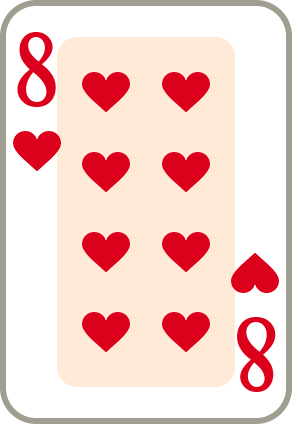
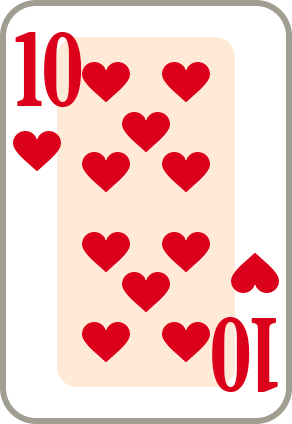
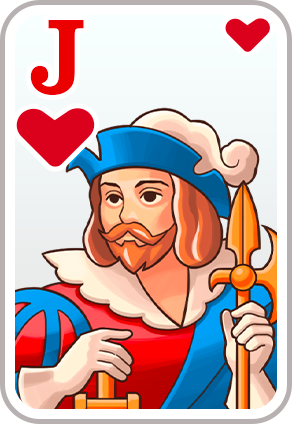
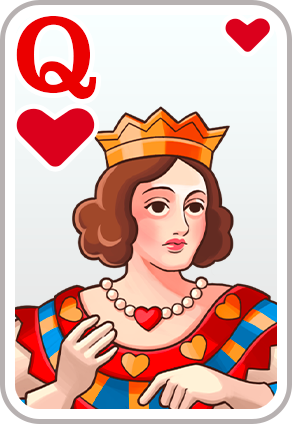
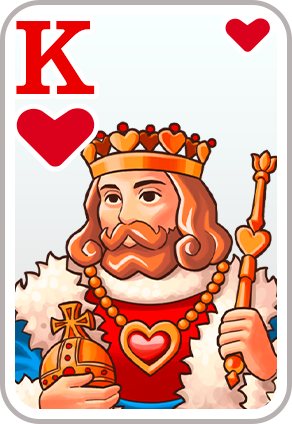
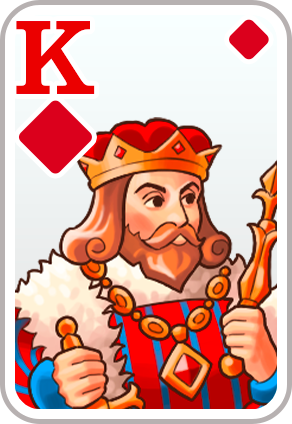
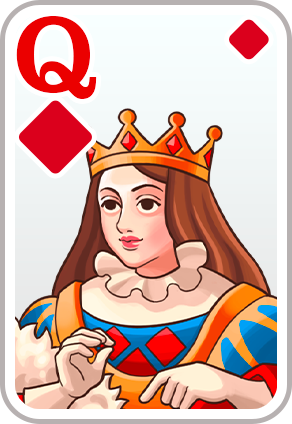
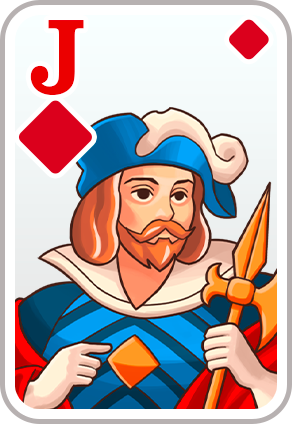
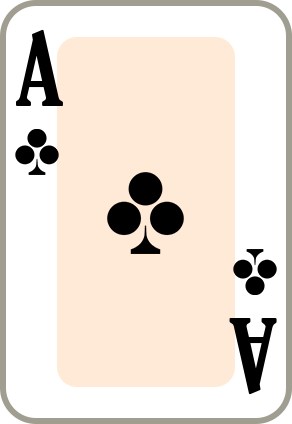
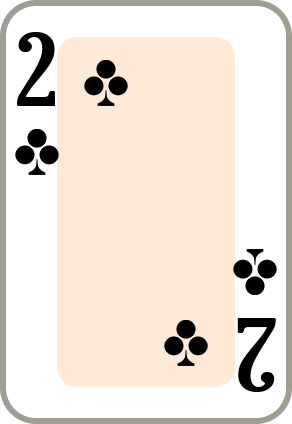
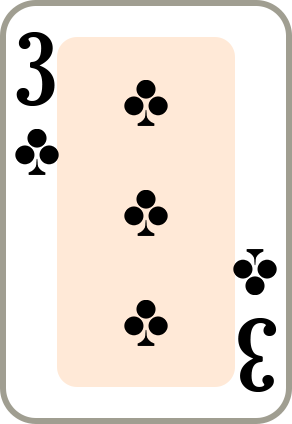
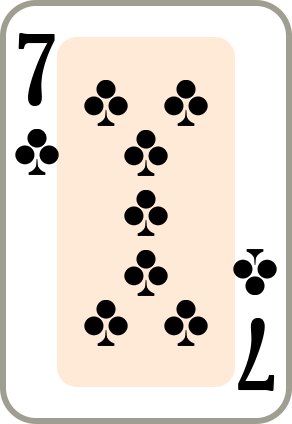
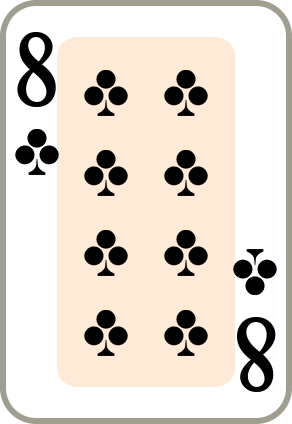
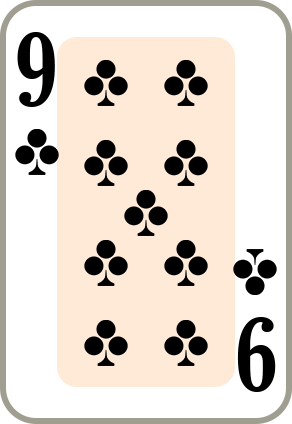
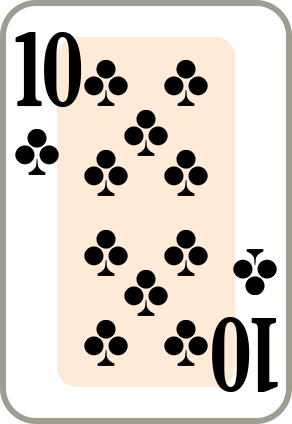
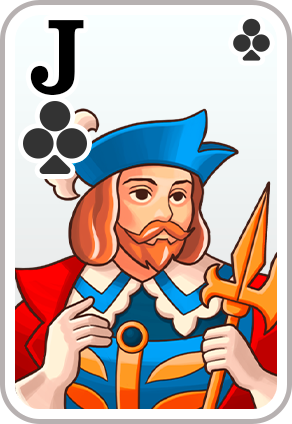
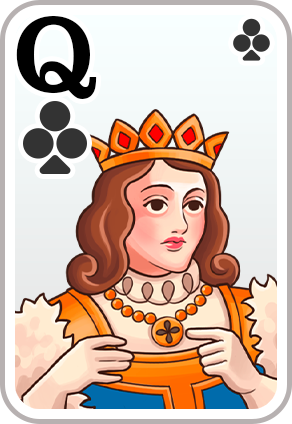
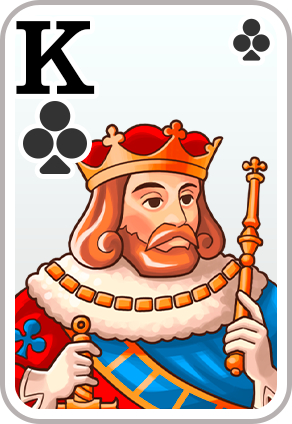
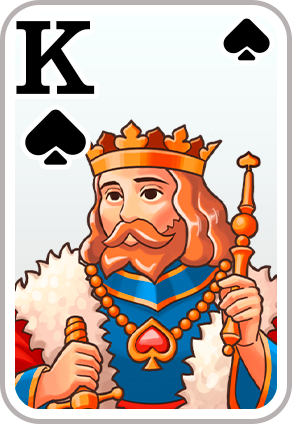
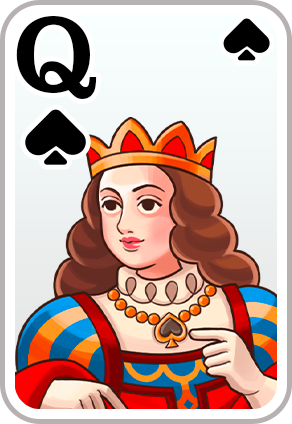
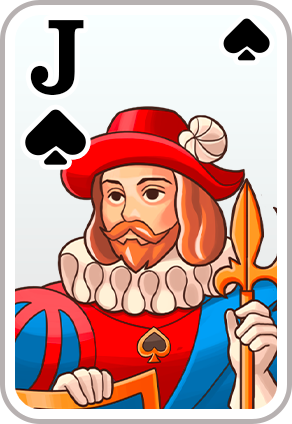
Face Cards (King, Queen, Jack) are 10 points each. Aces are worth 1 point. Numbered cards are worth their value (a Five of Clubs is worth 5 points, for example).
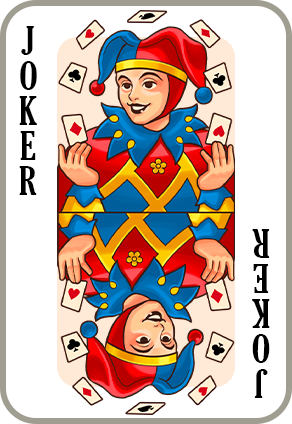
Jokers are worth zero points.
Equipment and Setup
Required Materials
Most people have all the materials for playing Tonk right there in one of their junk drawers or in the game closet.
Tonk uses a standard 52-card deck, plus the two Jokers. Jokers are wild and can be played as any card from the deck.





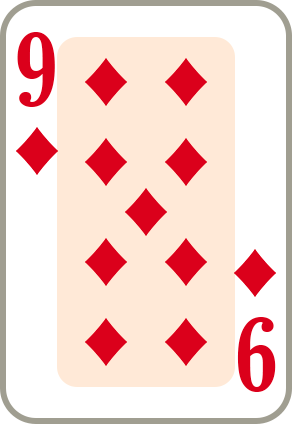
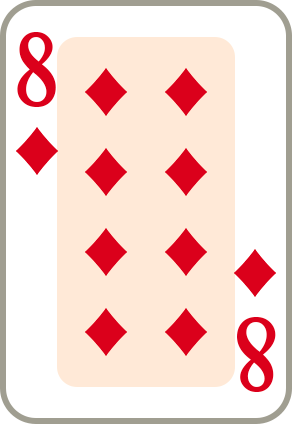
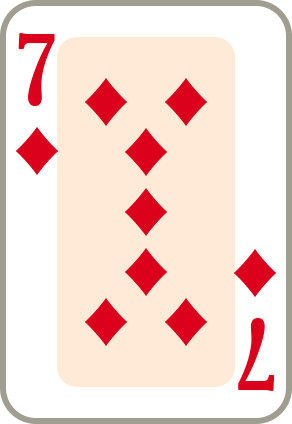
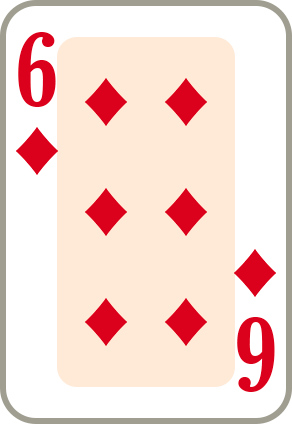



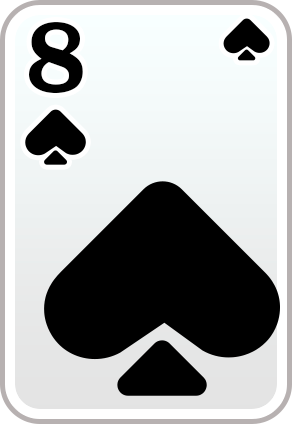
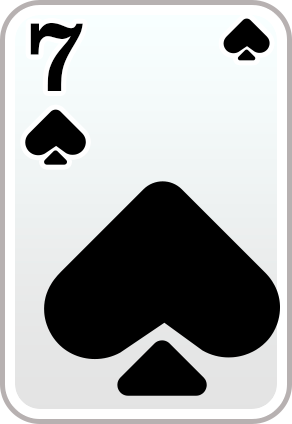
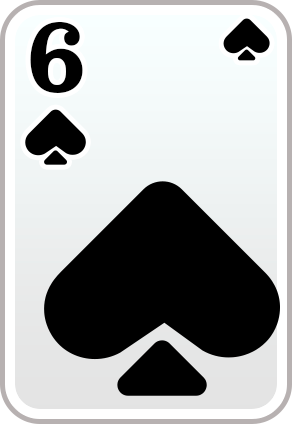
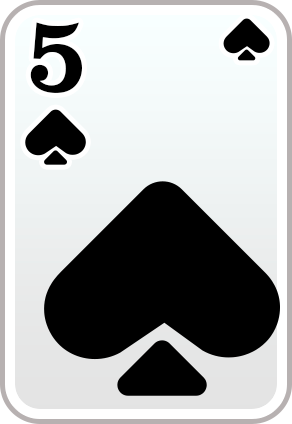
Initial Layout
Tonk is typically played by two to six players who sit across from each other as well as possible at the table.
Because there are no teams, players are free to select the most comfortable chair available anywhere at the table!
(Of course, thanks to TonkOnline.com, you can sit wherever you’d like, or even play standing!)
In our below example, we will assume that there is 3 players on the table.



Card Distribution and Game Start
Tonk follows some of the simplest rules for arranging and distributing the cards and starting the game. One of the appeals of the game is that the action starts soon after the first card is dealt.
After shuffling, the dealer starts with the player to their left.
Dealing Cards
Tonk begins with each player receiving seven cards one at a time. Leftover cards become the stockpile and the top card is placed beside it, face up.
This is the first card of the discard pile.
Order of Play
Once the cards are distributed, the Dealer arranges the stockpile and reveals the game’s first upcard.
The player to the left of the Dealer acts first, then players take turns in clockwise order.
The deal proceeds counter-clockwise; the second Dealer is the player to the left of the first Dealer.
Turn Structure
The basic turn in Tonk follows a fairly simple process: draw, match, discard. As you’ll see, though, players have a chance to tonk—or knock—ending the hand and starting the points tabulation.
You’ll get the gist after just a hand or two.
Phases of a Turn
On a turn, a player may draw the top card from the deck or take the top card from the discard pile. They then try to form sets (three or four of a kind) or sequences (three or more consecutive cards of the same suit).
Before ending their turn, the player must discard one card. If a player’s unmatched cards total five or less, they may "tunk" (knock), revealing their hand and laying it on the table.
Following that, remaining players get one last turn to draw, take the discard, meld, lay off cards on the tunker’s melds, and discard.
The player with the lowest total of unmatched cards wins the round.
However, if a player matches all their cards off the deal, they win instantly.
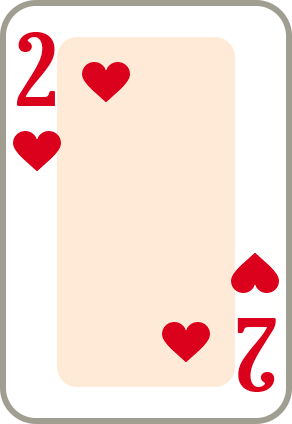
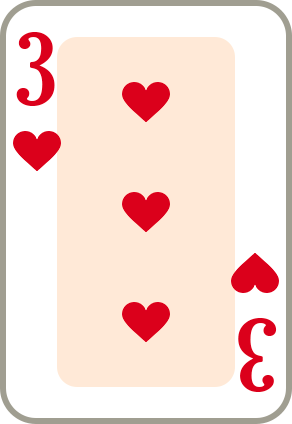
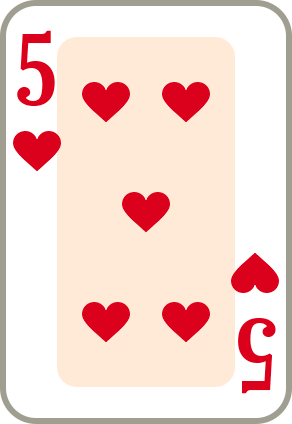
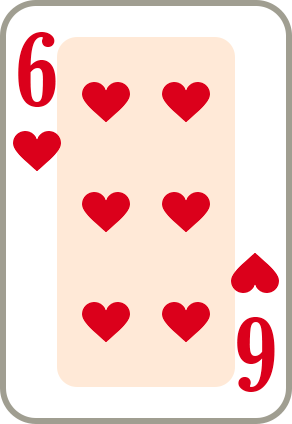
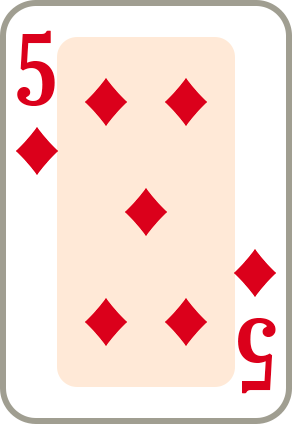
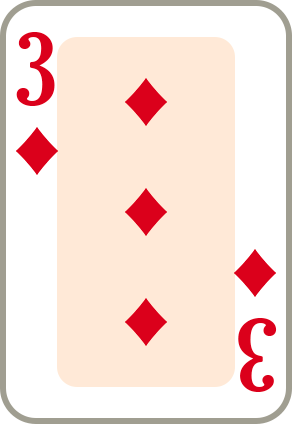
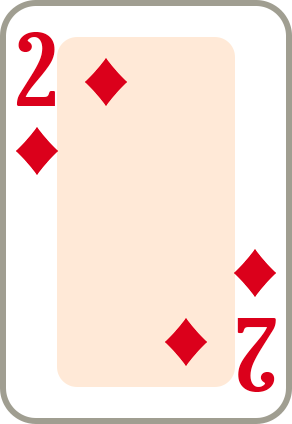
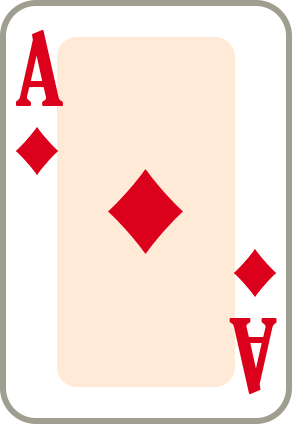
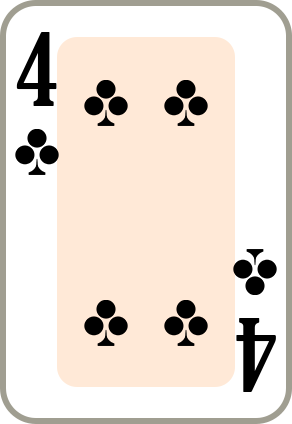
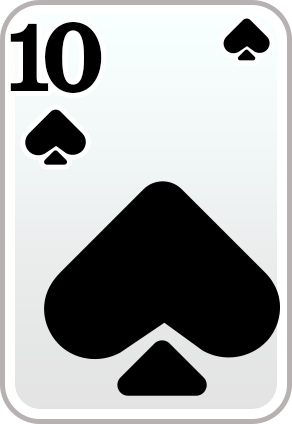
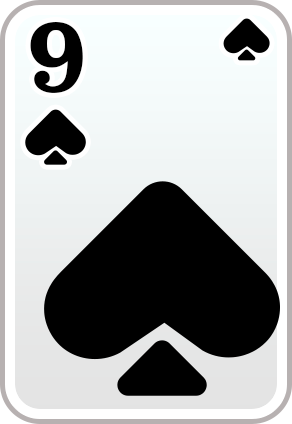
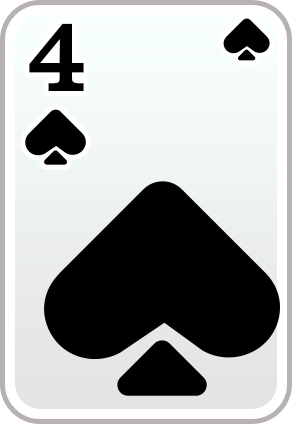
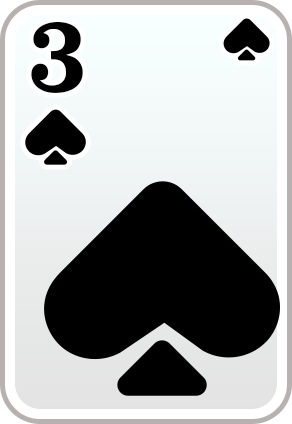
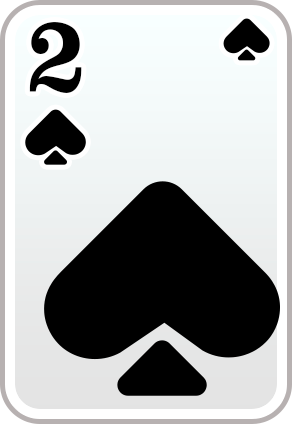
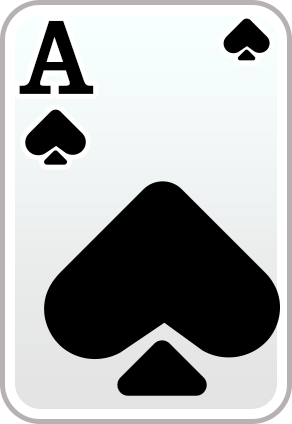
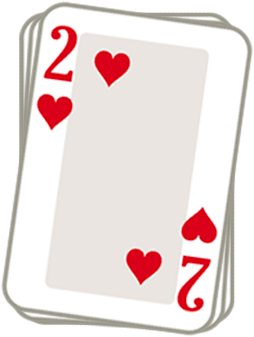
Below an example of "Tunk" with cards values are less than 5. This 4 cards have a value of 4 points.
Available Actions
Players can draw the top card from the deck or take the top card from the discard pile.
Players must form sets (three or four of a kind) or run sequences (three or more consecutive cards of the same suit).
Players always end their turn by discarding.
Joker Usage
Scoring System and Winning Conditions
Tonk players try to play as many cards in their hand as possible to avoid getting stuck with points in their hand when someone else tonks.
Over the course of several hands, players try to minimize their points. Multiple hands are played and a winner is declared once one player accumulates a predetermined number of points.
Point Calculation
Tonk is a game where lowest score wins. Once a player tonks, their opponents each get one more turn then total the remaining cards in their hand.
- Face Cards (King, Queen, Jack) are worth 10 points each
- Aces are worth 1 point
- Numbered cards are worth their value (a Six of Hearts is worth 6 points, for example)
- Jokers are worth zero points.
Game End
The player with the lowest score wins the hand.
Players usually agree to a high total after multiple hands that will indicate that the player with the lowest score when another player passes that total is declared winner.
Tonk variations
Tonk is an endless source of variation. His "gambling" side brings a lot of creativity amoung players. Some variant change the pace and strategy of the game.
In some other versions, players can double the stakes by declaring a “tonk out” when they lay down all their cards at once.
Others include a “no-knock” rule, where players must play until someone runs out of cards.
Some house rules allow for bonuses when a player wins with no unmatched cards or catches an opponent with high-value cards.
These variations add excitement and keep each game feeling fresh and unpredictable.